A cooling system rarely stops working without showing warning signs first. Many homeowners notice small changes in airflow, noise, or indoor comfort but assume the problem can wait. During long Texas heat waves, that delay often turns a minor issue into a major breakdown. Scheduling professional air conditioning repair early can help prevent expensive damage, protect energy efficiency, and reduce the risk of losing cooling during peak summer temperatures.
At Air Clinic, we regularly inspect systems that showed warning signs weeks before failure occurred. Strange sounds, weak airflow, rising utility bills, and uneven temperatures often indicate developing mechanical problems. Understanding these signals helps homeowners respond before the system shuts down completely. This guide explains the most common signs of trouble, why they happen, and how timely service can help extend the life of an HVAC system.
Your air conditioner almost always gives warning signs before it fails. In Arlington, Texas, the most common red flags are weak airflow from your vents, grinding or banging noises, a sudden jump in your electric bill, uneven room temperatures, and water or musty odors around the indoor unit. If you notice any of these signs, schedule a professional AC inspection before the Texas summer heat turns a small repair into a full breakdown.
Key Takeaways
- Weak airflow, unusual noises, rising energy bills, and inconsistent temperatures are common warning signs that an AC system may require professional attention before a major failure occurs.
- Delaying repairs can place additional strain on compressors, motors, and electrical components, often leading to more expensive system damage during peak summer demand.
- Refrigerant leaks, short cycling, and moisture buildup can reduce cooling efficiency while increasing operational costs and long-term wear on HVAC equipment.
- Regular inspections and preventative maintenance help identify developing issues early, improving system reliability and reducing the risk of emergency breakdowns.
- In some cases, repeated repairs may indicate that a full DFW AC installation could provide better long-term efficiency, airflow performance, and indoor comfort.
Weak Airflow Often Signals Internal System Problems
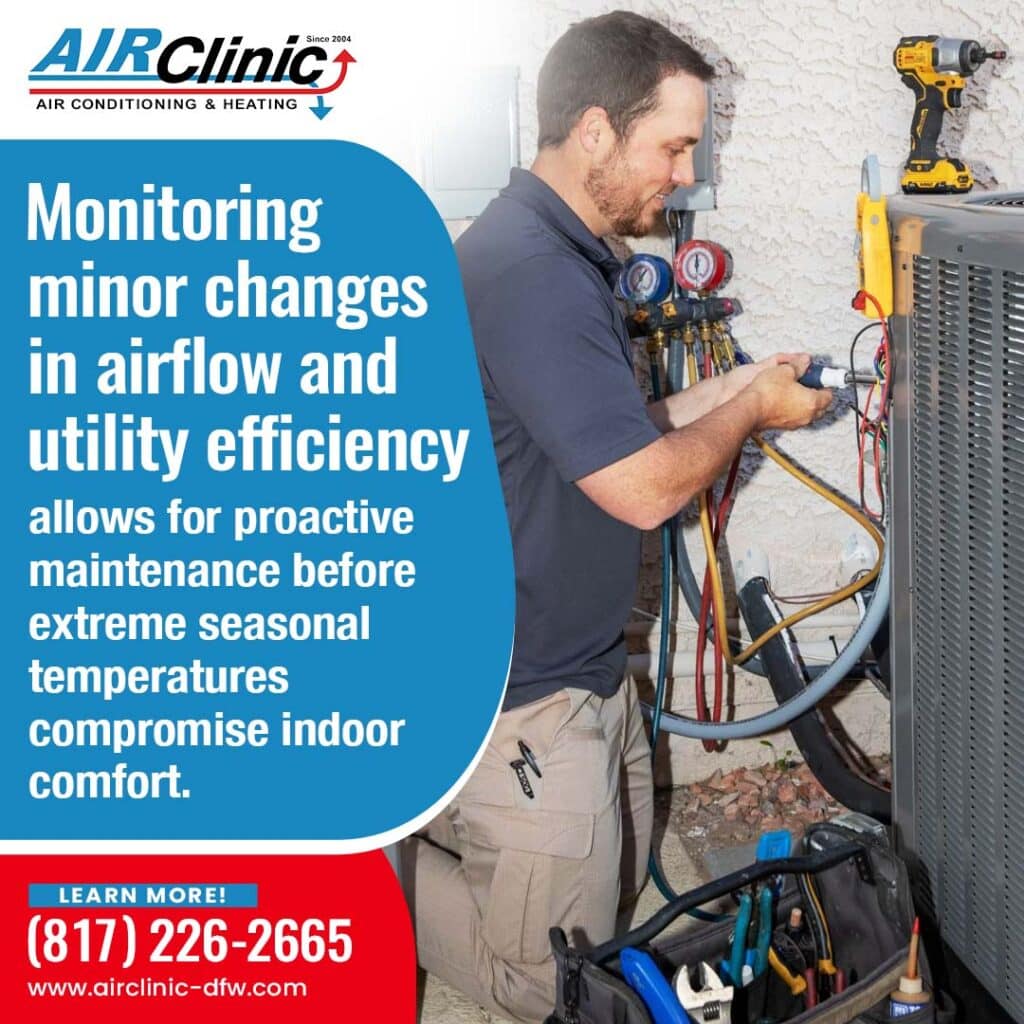
Restricted airflow is one of the earliest indicators that something inside the cooling system is struggling. Homeowners may notice certain rooms feeling warmer than others or vents producing less air than usual. These issues can develop gradually, making them easy to overlook until indoor comfort noticeably declines.
Dirty Components Can Reduce Cooling Performance
Clogged air filters, blocked evaporator coils, and failing blower motors frequently contribute to weak airflow. When air cannot move properly through the system, the unit must work harder to maintain the thermostat setting. This additional strain can shorten equipment lifespan and increase energy use over time.
According to the U.S. Department of Energy, neglected HVAC maintenance can lead to declining system performance and increased energy consumption. The increase often happens gradually, making the underlying problem harder to identify until the system experiences more serious operational issues.
Our technicians often find that restricted airflow places excessive pressure on motors and compressors. During many air conditioning repair services, airflow problems are connected to maintenance issues that continued for months before the inspection occurred.
Uneven Temperatures Should Not Be Ignored
When one area of the house cools properly while another remains warm, the issue may involve ductwork restrictions, thermostat calibration problems, or failing internal components. In some cases, the cooling system cycles continuously because it cannot distribute conditioned air effectively.
Homeowners scheduling air conditioning repair in Arlington, Texas, frequently report uneven cooling before complete system failure occurs. Addressing airflow problems early may prevent additional wear on major components and help maintain more stable indoor temperatures during periods of extreme heat.
Strange Noises Usually Mean Mechanical Wear Is Developing
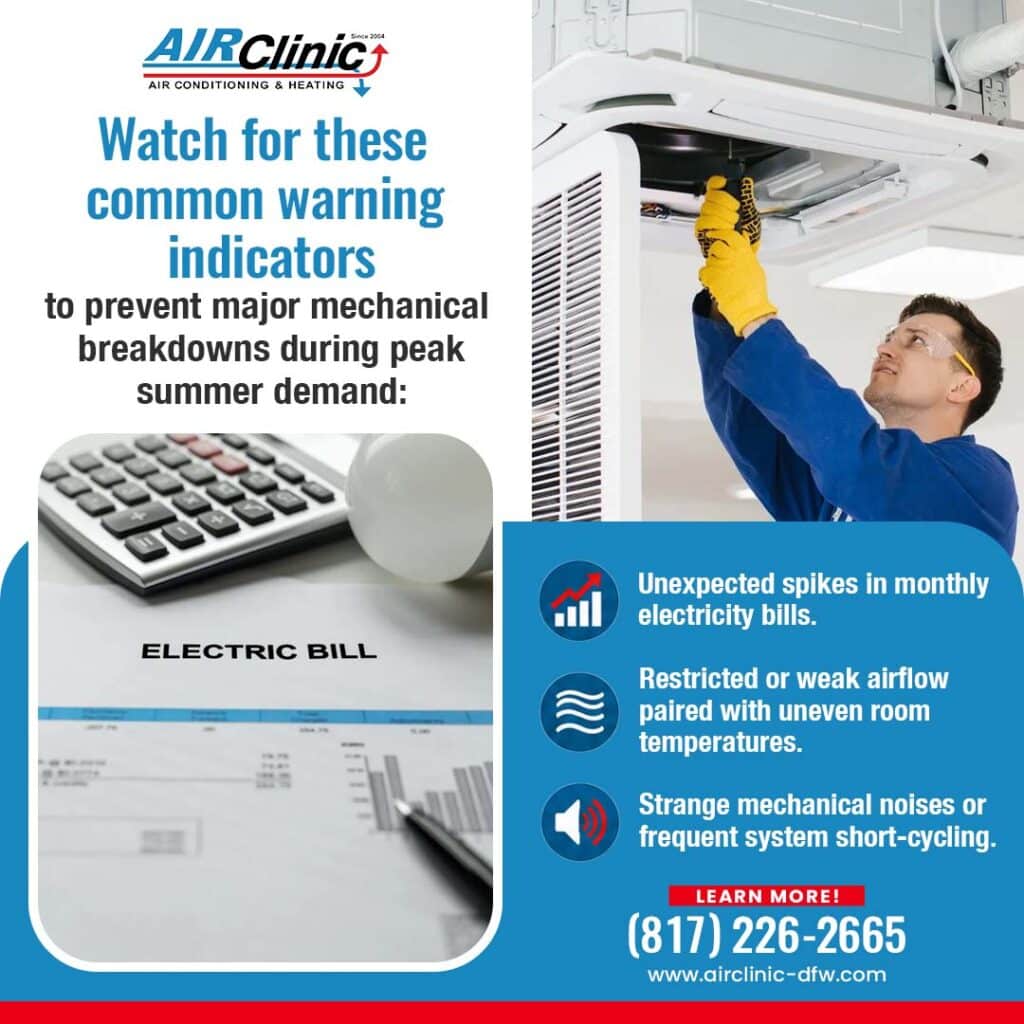
Most cooling systems produce a low operational sound during normal use. Loud banging, grinding, squealing, or rattling noises are different. These sounds often indicate loose parts, motor issues, or failing internal components that require professional evaluation.
Grinding and Screeching May Indicate Motor Damage
Grinding noises commonly occur when bearings inside the motor begin wearing down. Screeching sounds may point to belt issues or motor strain. If ignored, these conditions can eventually damage surrounding components and force the system to stop operating entirely.
We often see systems continue running despite clear mechanical warning signs. Unfortunately, continued operation under those conditions can increase repair costs significantly. Scheduling an AC repair service after unusual noises begin may help limit additional internal damage.
Banging Sounds Can Point to Loose Components
Loud banging or clanking sometimes develops when internal hardware becomes loose or disconnected. Compressor issues may also produce sudden knocking sounds during startup or shutdown cycles. These problems can worsen quickly during periods of heavy summer demand.
At Air Clinic, detailed diagnostics help identify the source of unusual noises before the issue spreads through the system. Many homeowners delay service because the system still cools temporarily, but operational noise is rarely harmless when it continues consistently.
Rising Energy Bills Can Reveal Efficiency Problems
A sudden increase in electricity costs often signals declining HVAC efficiency. Cooling systems consume more energy when components struggle to maintain normal operation. Many homeowners assume utility increases result only from seasonal weather, but system inefficiency frequently contributes to higher monthly costs.
Overworked Systems Consume More Power
When compressors, blower motors, or coils begin failing, the system typically runs longer cooling cycles. Longer runtime increases electrical demand and accelerates wear on already stressed components. Refrigerant leaks may also reduce efficiency because the unit cannot remove heat effectively from indoor air.
Research published in the International Journal of Environmental Research and Public Health states that older HVAC systems may require retrofitting and improved maintenance strategies to support better energy performance and indoor environmental conditions. The study also notes that climate conditions, building design, and system operation can affect long-term HVAC efficiency.
Many homeowners searching for air conditioning repair in Arlington, Texas, first notice the problem through rising summer utility bills rather than complete cooling failure. Early service inspections often uncover refrigerant loss, restricted airflow, or worn electrical parts contributing to excess energy consumption.
Frequent Cycling Can Increase Utility Costs
Short cycling occurs when the cooling system repeatedly turns on and off within short intervals. This issue may result from thermostat malfunctions, overheating components, or improper system operation. Constant restarting places additional strain on motors and compressors while increasing electrical usage.
Professional air conditioning repair services help identify whether cycling issues stem from electrical faults, airflow restrictions, or failing cooling components. Correcting the issue early may improve efficiency and reduce the likelihood of emergency repairs later in the season.
Moisture, Leaks, and Odors Often Point to Hidden Damage
Water around an indoor unit should never be ignored. Moisture problems frequently indicate clogged drain lines, frozen evaporator coils, or refrigerant leaks. If left untreated, excess moisture can damage walls, flooring, and nearby structural materials.
Refrigerant Leaks Affect Cooling Efficiency
Low refrigerant levels reduce the system’s ability to cool indoor air effectively. Homeowners may notice longer cooling cycles, reduced comfort, or ice buildup around indoor components. Refrigerant leaks also increase pressure on the compressor, which is one of the most expensive parts to replace.
Our technicians performing inspections often discover refrigerant leaks after homeowners report weak cooling and unexplained moisture near the system. Detecting these leaks early may prevent compressor damage and improve cooling consistency.
Musty Odors Can Indicate Moisture Accumulation
Persistent musty smells sometimes develop when condensation problems allow mold or mildew growth inside ductwork or around evaporator coils. Burning odors may point to overheating electrical components or damaged wiring. Both situations require prompt professional attention.
An experienced air conditioning repair service provider should evaluate unusual odors before operating conditions worsen. Electrical problems and moisture buildup can create larger system complications when left unresolved during peak cooling months.
Emergency Breakdowns Often Follow Delayed Repairs
Many emergency failures develop after weeks or months of ignored warning signs. Small operational issues gradually place additional strain on cooling components until the system can no longer maintain safe performance. High outdoor temperatures often accelerate that process because HVAC systems operate for longer periods during summer demand.
Older Systems May Show Multiple Warning Signs Together
Aging cooling systems commonly experience overlapping problems involving airflow, electrical performance, refrigerant pressure, and worn motors. Homeowners sometimes address one symptom while overlooking another developing issue elsewhere in the system.
At Air Clinic, we frequently inspect units showing several warning signs simultaneously before a major failure occurs. Systems that repeatedly require temporary fixes often benefit from a more complete diagnostic evaluation to identify underlying operational concerns.
Delayed Repairs Can Lead to Costlier Damage
Minor electrical issues may eventually damage compressors. Restricted airflow can contribute to frozen coils and motor strain. Refrigerant leaks may create additional pressure problems throughout the cooling system. Delaying service increases the risk that one failing component will affect multiple parts of the unit.
Homeowners seeking air conditioning repair in Arlington, Texas, during extreme summer heat often face longer wait times once widespread system failures occur across the region. Addressing early warning signs before peak demand periods may reduce both repair costs and operational downtime.
Some Warning Signs May Indicate the Need for System Replacement
Repeated cooling problems sometimes point to a larger system decline rather than isolated repair issues. Older equipment may continue operating while efficiency drops steadily and repair frequency increases. In many homes across the DFW area, aging systems begin struggling during long periods of extreme summer heat, especially when components experience years of wear.
Frequent Repairs Can Become More Expensive Over Time
A system dealing with repeated refrigerant leaks, airflow restrictions, electrical problems, or compressor strain may require more than temporary fixes. Homeowners often schedule multiple service calls within the same season while indoor comfort continues declining. When these patterns develop, technicians may recommend evaluating replacement options alongside repair solutions.
At Air Clinic, we inspect many systems where repair costs continue increasing despite ongoing maintenance efforts. In some situations, a new AC installation becomes a more practical long-term solution than repeated emergency repairs. A properly installed system can improve airflow consistency, cooling performance, and overall operational reliability.
Proper Installation Directly Affects Long-Term Performance
Cooling performance depends heavily on correct system sizing and installation quality. Units that are too small may run constantly without cooling effectively, while oversized systems can short-cycle and create uneven indoor temperatures. Professional installation helps balance airflow, energy efficiency, and long-term equipment operation.
Our technicians evaluate room size, insulation conditions, airflow demands, and cooling goals before recommending equipment options. During many AC repair services, homeowners also ask whether upgrading older systems could improve comfort and reduce operating costs during peak summer months.
New Systems Often Support Better Energy Efficiency
Modern cooling equipment is designed to operate with improved energy efficiency standards and better humidity control. Updated systems may also work more effectively with programmable thermostats and indoor air quality accessories. Combined with regular maintenance, newer equipment can help reduce unnecessary system strain.
Air Clinic provides installation support for residential and commercial properties throughout the DFW area. Along with air conditioning repairs, our team also handles full system replacement, diagnostics, preventative maintenance, and airflow evaluations to help properties maintain reliable cooling performance year-round.
Preventative Maintenance Helps Reduce Sudden Failures
Routine inspections remain one of the most effective ways to identify developing HVAC problems early. Preventative maintenance allows technicians to evaluate airflow, refrigerant levels, electrical systems, and moving components before serious damage occurs.
Seasonal Tune-Ups Support System Reliability
Regular maintenance helps cooling systems operate more efficiently during extended summer temperatures. Cleaning coils, checking refrigerant pressure, tightening electrical connections, and replacing filters may reduce unnecessary strain on major components.
Many homeowners schedule air conditioning repair services only after the system stops cooling completely. Preventative inspections provide an opportunity to identify worn parts earlier, helping reduce emergency service calls during periods of extreme heat.
Professional Diagnostics Improve Long-Term Performance
Modern HVAC systems rely on multiple interconnected components operating together efficiently. Problems affecting one part of the system can quickly influence overall performance. Professional diagnostics help identify both visible and hidden issues before they become larger operational failures.
At Air Clinic, our technicians use detailed inspection procedures to evaluate cooling performance, airflow consistency, thermostat operation, and electrical stability. Thorough diagnostics help homeowners understand whether a repair, maintenance adjustment, or component replacement is necessary to restore proper operation.
Protecting Cooling Performance Before Small Problems Become Major Repairs
Cooling systems typically provide several warning signs before complete failure occurs. Weak airflow, unusual noises, rising utility costs, short cycling, leaks, and inconsistent temperatures often indicate developing mechanical or electrical problems. Responding early may help reduce repair expenses, improve efficiency, and prevent emergency breakdowns during periods of extreme heat.
Homeowners noticing changes in cooling performance should schedule a professional inspection before small issues place additional strain on the system. Early attention can help maintain indoor comfort, extend equipment lifespan, and support more reliable operation throughout the summer season. To learn more about our services, contact us today at (817) 226-2665.
Frequently Asked Questions About AC Repair in Arlington, TX
What are the first signs my air conditioner needs repair?
The earliest signs an air conditioner needs repair are weak or uneven airflow, unusual noises like grinding or banging, short cycling, higher energy bills, and moisture or musty smells near the indoor unit. Catching these early can help prevent compressor damage, which is the most expensive AC repair.
How much does delaying AC repair cost homeowners?
Delaying repairs forces compressors, motors, and electrical components to work under strain. A clogged filter or small refrigerant leak that costs little to fix early can cascade into compressor failure, which is often the difference between a minor service call and a full system replacement.
When should I replace my AC instead of repairing it?
If your system needs multiple repairs in the same season, is more than 10 to 15 years old, or repair costs approach half the price of a new unit, a professional replacement evaluation usually makes more financial sense than continuing to repair.